Sustainability 101
Sustainability is a hot topic for business, governments and citizens the world over. This is our attempt to demystify sustainability and make it accessible.
What is Sustainability
Sustainability is a holistic approach encompassing three interconnected dimensions: environmental, economic, and social. Environmental sustainability seeks to protect and preserve the planet by reducing greenhouse gas emissions, enhancing environmental quality, and conserving natural resources. Economic sustainability aims for long-term profitability without depleting resources, focusing on economic stability and business continuity while considering concepts like de-growth and zero growth. Social sustainability strives for a fair, inclusive society where human dignity and rights are upheld across generations, addressing poverty, labor conditions, and equitable distribution of social burdens.
Sustainability Reporting
This is a flexible section where you can share anything you want. It could be details or some information about feature one.
Net Zero Emissions
This is a flexible section where you can share anything you want. It could be details or some information about feature two.
Circular Economy
This is a flexible section where you can share anything you want. It could be details or some information about feature three.

ESG Factors
This is a flexible section where you can share anything you want. It could be details or some information about feature four.
Inclusive Growth
This is a flexible section where you can share anything you want. It could be details or some information about feature five.
Sustainable Supply Chains
This is a flexible section where you can share anything you want. It could be details or some information about feature six.
UN Sustainable Development Goals
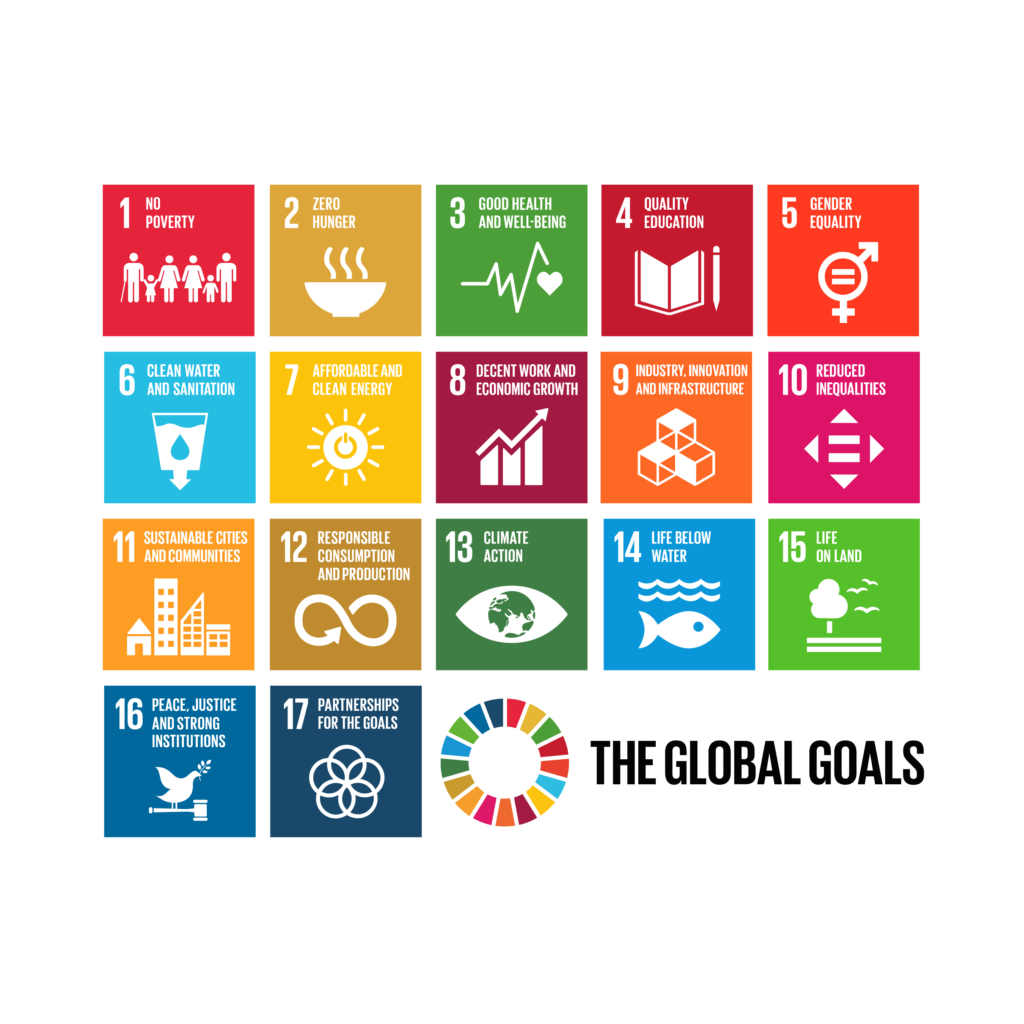
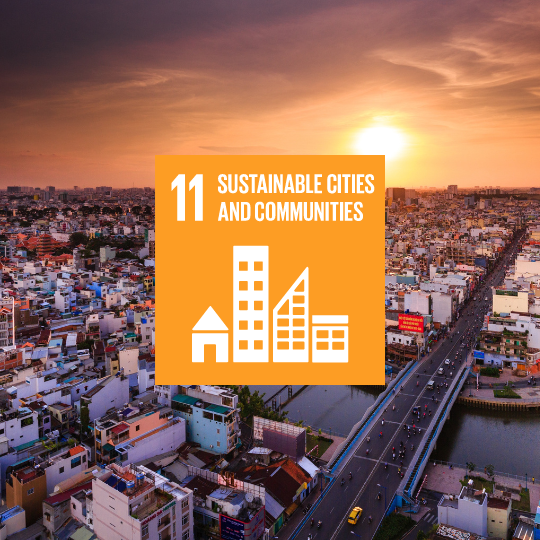
The United Nations Sustainable Development Goals (SDGs) are a set of 17 interconnected goals adopted by all UN member states in 2015 as part of the 2030 Agenda for Sustainable Development. The SDGs aim to address global challenges such as poverty, hunger, inequality, climate change, and environmental degradation, and provide a framework for achieving sustainable development in a comprehensive and integrated way. The SDGs cover a broad range of issues, from ending poverty and hunger to promoting health and well-being, ensuring quality education, achieving gender equality, and promoting sustainable economic growth and decent work for all.
Sustainability Reporting
Sustainability reporting is evolving with increased demands for transparency and accountability, driven by regulators, consumer expectations and a business imperative to transform. Key frameworks include the Global Reporting Initiative (GRI) for comprehensive guidelines, the Sustainability Accounting Standards Board (SASB) for industry-specific metrics, and the Task Force on Climate-related Financial Disclosures (TCFD) for climate risk integration. The International Sustainability Standards Board (ISSB) aims to unify global standards, enhancing comparability. Regulatory moves like the EU Corporate Sustainability Reporting Directive (CSRD) mandate extensive disclosures for companies.
Sustainability in Strategy
Integrating sustainability within strategy involves embedding environmental, social, and governance (ESG) factors into core operations and decision-making processes. Board leaders and executives serve as the beacon of organizational transformation in which firms begin by identifying key sustainability issues specific to their industry and/or client base, setting measurable targets and regularly reporting progress are crucial for accountability. For many firms, incorporating sustainability is driving innovation, enhancing risk management, and brand reputation by aligning stakeholder expectations, and attracting investors and customers seeking a return that balances profit, people and planet.
Sustainability in Operations
Building sustainability into operations focuses on incremental change to day-to-day business functions, like adopting energy-efficient technologies, reducing waste, and promoting resource conservation. Firms can implement green procurement that ensures that suppliers meet environmental and social criteria and establish supply chains that focus on ethical sourcing and human rights. Regular training for employees is critical in fostering a culture of sustainability. Finally, establishing metrics and systems for monitoring and reporting environmental impact enable firms to track their journeys to net-zero, such as carbon footprint and water usage, often guided by frameworks like ISO 14001.
Start Your Sustainability Journey
Contact us today to learn how SDG Seventeen can help your organization make a positive impact